 History Timelines & Chronology — Quiz Game
A visual KS2 History quiz: read timelines, order periods, understand BC/AD and spot primary sources. Solo to track pr…
Key Stage 2 History ⏱ 30m
Quiz
· 30m
PAID
Open resource →
QuizPaid subscriptionIncludes a check
History Timelines & Chronology — Speed Round
Prefer not to join? Buy just this resource
One-off price: £0.49
This resource is also included with eligible paid plans.
Buy this resource — £0.49Create a free Learning Locker first; the exact resource and price are confirmed before payment.
Related modules
History Timelines & Chronology — Quiz Game
A visual KS2 History quiz: read timelines, order periods, understand BC/AD and spot primary sources. Solo to track pr…
Key Stage 2 History ⏱ 30m
Quiz
· 30m
PAID
Open resource →
 KS2 Ancient Civilisations — Speed Round
A quick Speed Round on KS2 History — ancient civilisations. Questions and answers reshuffle every play; solo is track…
Key Stage 2 History ⏱ 30m
Quiz
· 30m
PAID
Open resource →
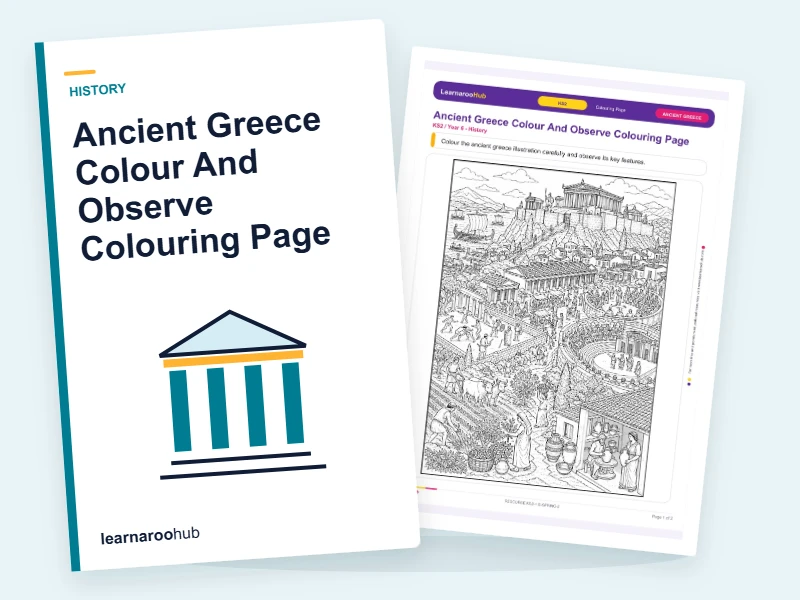 Ancient Greece Colour And Observe Colouring Page — Year 6
A Key Stage 2 History colour-and-observe sheet on Ancient Greece for use at home or in class.
Key Stage 2 History ⏱ 5m
Colour and Observe
· 5m
PAID
Open resource →
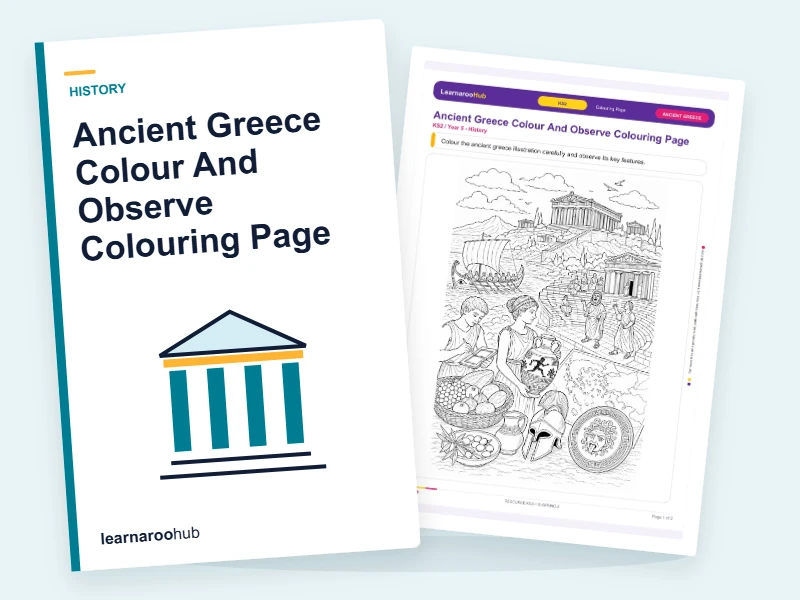 Ancient Greece Colour And Observe Colouring Page — Year 5
A Key Stage 2 History colour-and-observe sheet on Ancient Greece for use at home or in class.
Key Stage 2 History ⏱ 5m
Colour and Observe
· 5m
PAID
Open resource →
