 KS3 SPaG — Module 6: Standard English & style
Module 6 of 7 in the KS3 SPaG: Spelling, Punctuation & Grammar (Years 7-9) — Gated Series series — KS3 · Standard Eng…
Key Stage 3 English ⏱ 18m
E-Learning Module
· 18m
PAID
Open resource →
E-Learning ModulePaid subscriptionIncludes a check
Master Word Classes
Prefer not to join? Buy just this resource
One-off price: £1.29
This resource is also included with eligible paid plans.
Buy this resource — £1.29Create a free Learning Locker first; the exact resource and price are confirmed before payment.
Related modules
KS3 SPaG — Module 6: Standard English & style
Module 6 of 7 in the KS3 SPaG: Spelling, Punctuation & Grammar (Years 7-9) — Gated Series series — KS3 · Standard Eng…
Key Stage 3 English ⏱ 18m
E-Learning Module
· 18m
PAID
Open resource →
 A Midsummer Night’s Dream — Quiz Game
A fun, interactive quiz game on A Midsummer Night’s Dream. Solo to track progress, or pass-and-play with up to 6 play…
Key Stage 3 English Literature ⏱ 40m
Quiz
· 40m
PAID
Open resource →
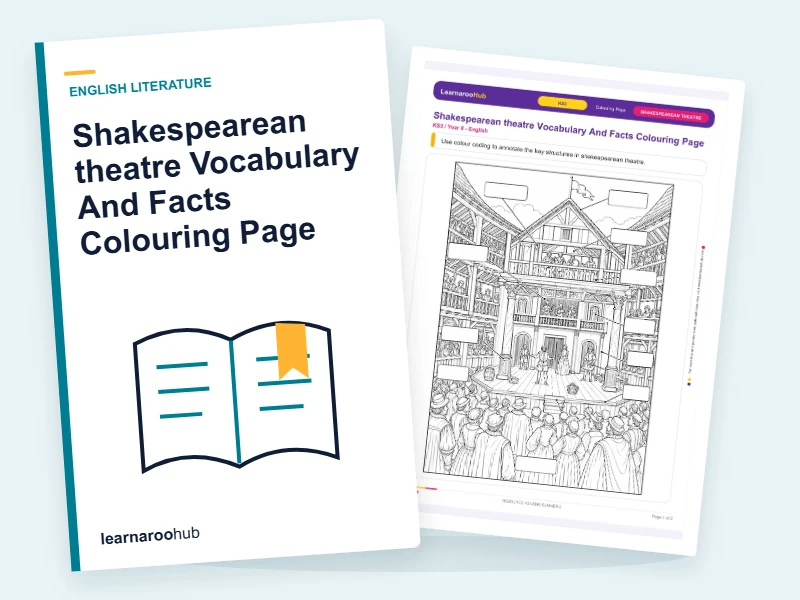 Shakespearean theatre Vocabulary And Facts Colouring Page
A Key Stage 3 English Literature vocabulary and facts sheet on Shakespearean theatre for use at home or in class.
Key Stage 3 English Literature ⏱ 5m
Vocabulary and Facts
· 5m
PAID
Open resource →
 KS3 English: Grammar & Vocabulary — Challenge
A stretch, self-marking KS3 grammar and vocabulary challenge: words that change class, clause analysis, tricky agreem…
Key Stage 3 English ⏱ 30m
Activity Book
· 30m
PAID
Open resource →
