 Size, patterns & measure — Speed Round
A fast all-multiple-choice Speed Round on Size, patterns & measure. Beat the clock solo, or play with up to 6 pla…
Early Years (EYFS) Mathematics ⏱ 15m
Quiz
· 15m
FREE
Open resource →
Vocabulary and FactsFree to use
Measure and compare Vocabulary And Facts Colouring Page
Colour the picture and name three shapes or objects you can see.
Not tracking — create a free account to save your progress.Create free account →
Loading your PDF…
Sign in to mark this as complete and track it on your dashboard.Sign in →
Related modules
Size, patterns & measure — Speed Round
A fast all-multiple-choice Speed Round on Size, patterns & measure. Beat the clock solo, or play with up to 6 pla…
Early Years (EYFS) Mathematics ⏱ 15m
Quiz
· 15m
FREE
Open resource →
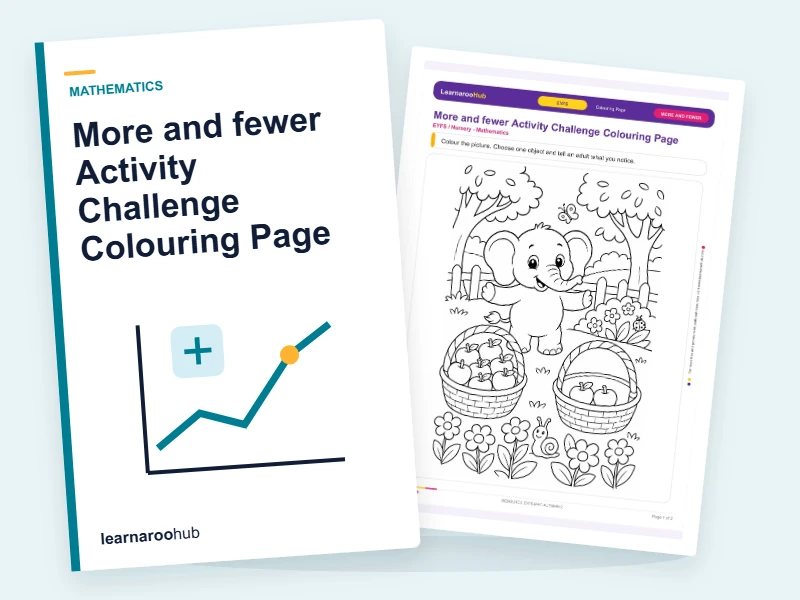 More and fewer Activity Challenge Colouring Page
An Early Years (EYFS) Mathematics activity challenge on More and fewer for use at home or in class.
Early Years (EYFS) Mathematics ⏱ 5m
Activity Challenge
· 5m
FREE
Open resource →
 EYFS Counting & Numbers — Warm-up
A gentle, colourful quiz game for Early Years — counting & numbers. Made for little ones, with grown-up help! Reshuff…
Early Years (EYFS) Mathematics ⏱ 15m
Quiz
· 15m
FREE
Open resource →
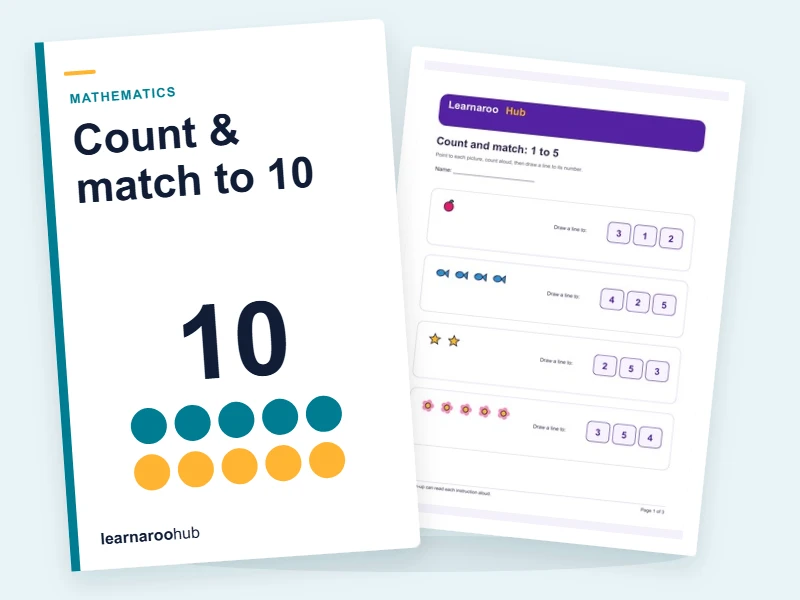 Count & Match to 10
A gentle 3-page counting sheet for ages 3–5: count the pictures, find the matching number, and trace it. Best done si…
Early Years (EYFS) Mathematics ⏱ 30m
Printable / PDF
· 30m
FREE
Open resource →

