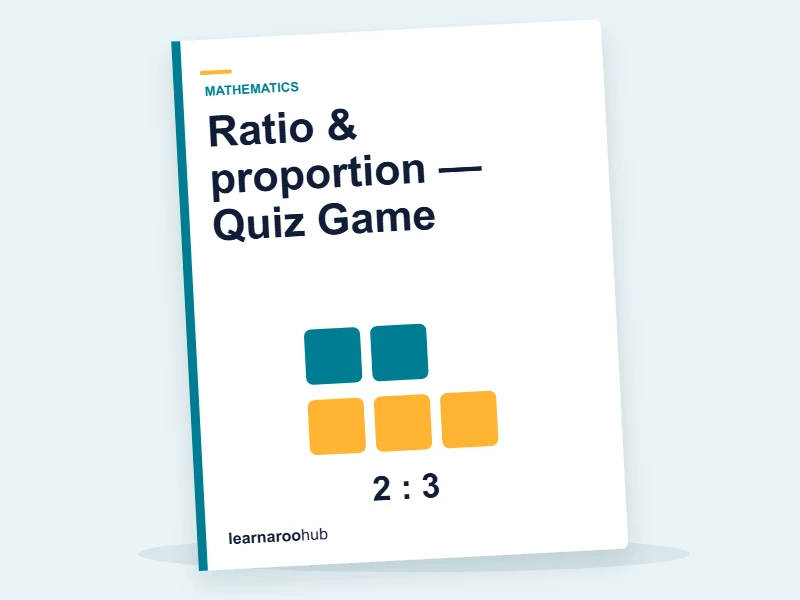
 Ratio & proportion — Quiz Game
A fun, interactive quiz game on Ratio & proportion. Solo to track progress, or pass-and-play with up to 6 players or …
GCSE Mathematics ⏱ 45m
Quiz
· 45m
PAID
Open resource →
Mock Practice PaperFree to use
GCSE Mathematics (Edexcel 1MA1) — Foundation Paper 1 (Non-calculator) — 2022 series
An original, exam-style GCSE Mathematics practice paper written to mirror the Edexcel 1MA1 format: Foundation Paper 1 (non-calculator), 80 marks and 1 hour 30 minutes.
Not tracking — create a free account to save your progress.Create free account →
Loading your PDF…
📎 Supporting documents
Extra material to support this learning — open or download to use alongside the activity.
Sign in to mark this as complete and track it on your dashboard.Sign in →
📚 Topics to revise for this paper
Work through these topic packs to practise everything this paper tests.
GCSE Foundation Mathematics: Number (AQA 8300)📚 Practise for this paper
Ratio & proportion — Quiz Game
A fun, interactive quiz game on Ratio & proportion. Solo to track progress, or pass-and-play with up to 6 players or …
GCSE Mathematics ⏱ 45m
Quiz
· 45m
PAID
Open resource →
 Probability basics & the 0–1 scale — Quiz Game
A fun, interactive quiz game on Probability basics & the 0–1 scale. Play solo to track progress, or pass-and-play wit…
GCSE Mathematics ⏱ 45m
Quiz
· 45m
PAID
Open resource →
 Sampling & types of data — Quiz Game
A fun, interactive quiz game on Sampling & types of data. Play solo to track progress, or pass-and-play with up to 6 …
GCSE Mathematics ⏱ 45m
Quiz
· 45m
PAID
Open resource →
 GCSE Maths Higher — Practice Paper 2, Calculator (2020 series)
Original GCSE Maths Higher practice paper (2020 series, Edexcel 1MA1 Higher Paper 2 (Calculator) style) with pupil gu…
GCSE Mathematics ⏱ 90m
Mock Practice Paper
· 90m
PAID
Open resource →
 GCSE Maths: Number — Quick Burst Practice
A fast, self-marking GCSE Maths Number quick-burst: standard form and BIDMAS, HCF/LCM and primes, fractions, decimals…
GCSE Mathematics ⏱ 20m
Activity Book
· 20m
PAID
Open resource →
 GCSE Maths: Number — Deep Revision Workbook
A longer, self-marking GCSE Maths Number deep-revision workbook: standard form calculations and BIDMAS, HCF/LCM and p…
GCSE Mathematics ⏱ 45m
Activity Book
· 45m
PAID
Open resource →
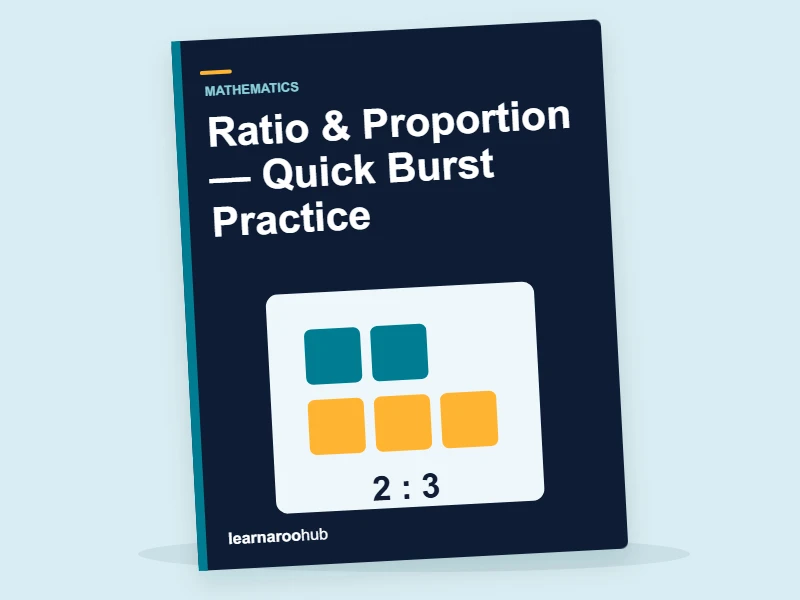 GCSE Maths: Ratio & Proportion — Quick Burst Practice
A fast, self-marking AQA GCSE Maths quick-fire drill on ratio and proportion: simplify ratios, share in a ratio, unit…
GCSE Mathematics ⏱ 20m
Activity Book
· 20m
PAID
Open resource →
 GCSE Maths: Ratio & Proportion — Deep Revision Workbook
A deeper self-marking AQA GCSE Maths workbook on the whole Ratio, Proportion & Rates of Change strand: simplifying an…
GCSE Mathematics ⏱ 45m
Activity Book
· 45m
PAID
Open resource →
📚 Related past papers
Keep practising with closely matched papers from the same subject.
Same paper, other years — Paper 1 (Foundation)
📝GCSE Mathematics (Edexcel 1MA1) — Foundation Paper 1 (Non-calculator) — 2025 series2025 · Foundation→📝GCSE Mathematics (Edexcel 1MA1) — Foundation Paper 1 (Non-calculator) — 2024 series2024 · Foundation→📝GCSE Mathematics (Edexcel 1MA1) — Foundation Paper 1 (Non-calculator) — 2023 series2023 · Foundation→📝GCSE Mathematics (Edexcel 1MA1) — Foundation Paper 1 (Non-calculator) — 2021 series2021 · Foundation→📝GCSE Mathematics (Edexcel 1MA1) — Foundation Paper 1 (Non-calculator) — 2020 series2020 · Foundation→📝GCSE Mathematics (Edexcel 1MA1) — Foundation Paper 1 (Non-calculator) — 2019 series2019 · Foundation→
Other papers in this series (2022)
📝GCSE Mathematics (Edexcel 1MA1) — Foundation Paper 3 (Calculator) — 2022 series2022 · Foundation→📝GCSE Maths Foundation — Practice Paper 2, Calculator (2022 series)2022 · Foundation→
