 KS3 Physical Education — End-of-Year Practice Paper (Set B)
A mock practice paper for practising Physical Education knowledge and skills at Key Stage 3.
Key Stage 3 Physical Education ⏱ 30m
Mock Practice Paper
· 30m
PAID
Open resource →
Mock Practice PaperFree to use
KS3 Physical Education — End-of-Year Practice Paper (Set A)
An original, exam-style KS3 Physical Education practice paper written to mirror the Key Stage 3 National Curriculum format: 60 marks, 1 hour, with full questions and a complete marking guide.
Not tracking — create a free account to save your progress.Create free account →
Loading your PDF…
📎 Supporting documents
Extra material to support this learning — open or download to use alongside the activity.
Sign in to mark this as complete and track it on your dashboard.Sign in →
📚 Practise for this paper
KS3 Physical Education — End-of-Year Practice Paper (Set B)
A mock practice paper for practising Physical Education knowledge and skills at Key Stage 3.
Key Stage 3 Physical Education ⏱ 30m
Mock Practice Paper
· 30m
PAID
Open resource →
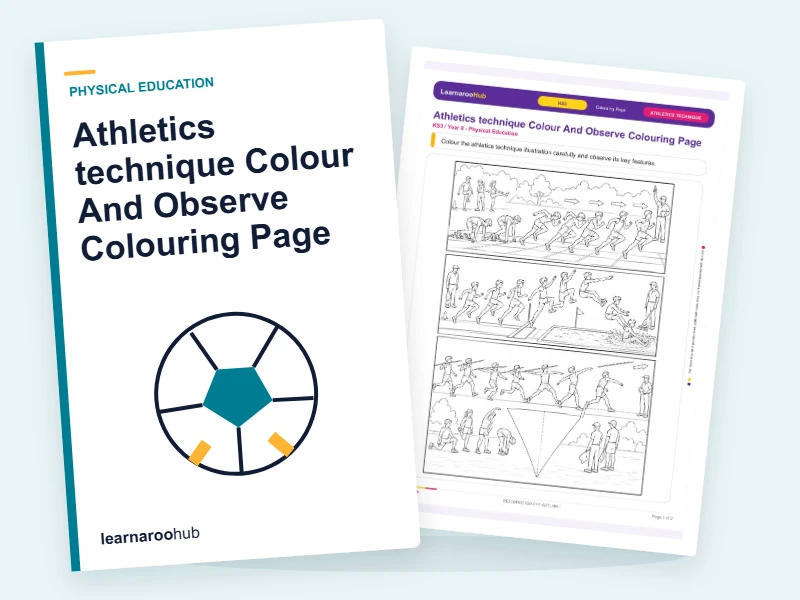 Athletics technique Colour And Observe Colouring Page
A Key Stage 3 Physical Education colour-and-observe sheet on Athletics technique for use at home or in class.
Key Stage 3 Physical Education ⏱ 5m
Colour and Observe
· 5m
PAID
Open resource →
 Components of fitness — Speed Round
A fast all-multiple-choice Speed Round on Components of fitness. Beat the clock solo, or play with up to 6 players or…
Key Stage 3 Physical Education ⏱ 40m
Quiz
· 40m
PAID
Open resource →
 The body & exercise — Quiz Game
A fun, interactive quiz game on The body & exercise. Solo to track progress, or pass-and-play with up to 6 players or…
Key Stage 3 Physical Education ⏱ 40m
Quiz
· 40m
PAID
Open resource →
