 EYFS Counting & Numbers — Quick Round
A quick, playful round for Early Years — counting & numbers. Made for little ones, with grown-up help! Reshuffles eve…
Early Years (EYFS) Mathematics ⏱ 15m
Quiz
· 15m
FREE
Open resource →
Activity ChallengeFree to use
Repeating patterns Activity Challenge Colouring Page
Colour the picture, then find the special object in the repeating patterns scene.
Not tracking — create a free account to save your progress.Create free account →
Loading your PDF…
Sign in to mark this as complete and track it on your dashboard.Sign in →
Related modules
EYFS Counting & Numbers — Quick Round
A quick, playful round for Early Years — counting & numbers. Made for little ones, with grown-up help! Reshuffles eve…
Early Years (EYFS) Mathematics ⏱ 15m
Quiz
· 15m
FREE
Open resource →
 2D shapes Activity Challenge Colouring Page
An Early Years (EYFS) Mathematics activity challenge on 2D shapes for use at home or in class.
Early Years (EYFS) Mathematics ⏱ 5m
Activity Challenge
· 5m
FREE
Open resource →
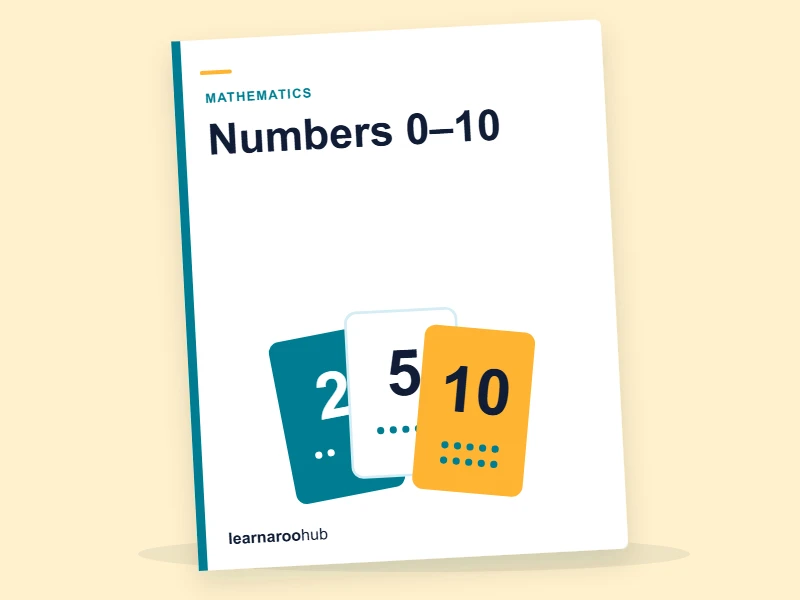 Numbers 0–10 Flashcards
14 flip cards: each number with its amount shown as dots, plus the words more, fewer, same and double. Tap to flip.
Early Years (EYFS) Mathematics ⏱ 10m
Flashcard Deck
· 10m
FREE
Open resource →
 Where Is It? Position & Direction (EYFS)
A gentle, parent-led Reception (EYFS) maths activity book — position words like on, under, behind and between, direct…
Early Years (EYFS) Mathematics ⏱ 20m
Activity Book
· 20m
FREE
Open resource →

