Parents & Guardians

Encouraging a Growth Mindset at Home (Without the Empty Slogans)
Growth mindset gets used as a feel-good slogan, but the real research is both more useful and more limited than…

Healthy Screen Time Habits That Don’t Require a Daily Battle
UK guidance on children's screen time has moved away from strict hourly limits toward a simpler what, when, who approach,…

Supporting an Autistic Child at Home: Practical, Respectful Strategies
Supporting an autistic child at home starts with understanding, not fixing, how they experience the world. This guide offers grounded,…

Preparing for SATs Without the Stress: A Realistic Parent’s Guide
SATs week doesn't have to take over your spring term. This guide explains what Key Stage 2 tests actually measure,…

What Executive Function Is (and Why It Matters More Than IQ)
Executive function, not IQ, may be the strongest predictor of how children cope with school and life. Here's what working…
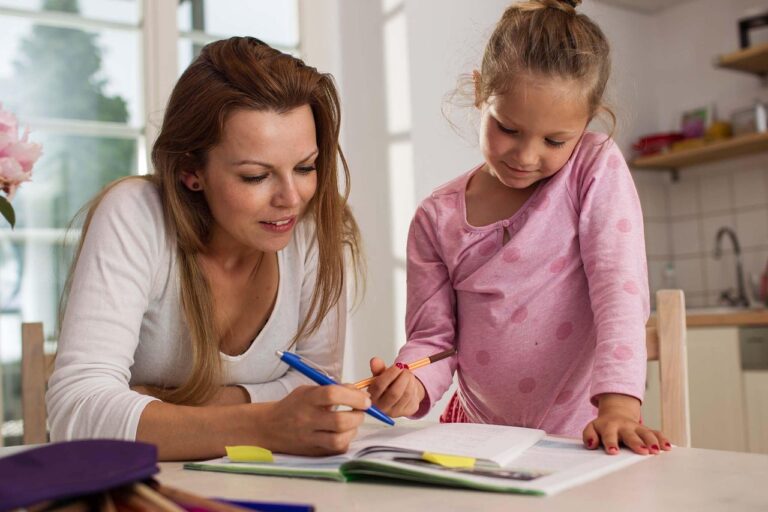
Ending the Homework Battle: What Actually Helps (and What the Evidence Says)
Homework fights are one of the most common flashpoints in family life, and the evidence on whether homework even works…

Building Emotional Resilience in Children (Without Just Telling Them to Toughen Up)
Toughen up doesn't teach children to cope, it teaches them to hide how they feel. This article explains what emotional…

Why Play Is Essential for Learning (Not Just a Break From It)
Play isn't a break from learning, it's how young children actually learn, and the EYFS framework is built around that…

Growing Your Child’s Vocabulary Naturally (Without Flashcards)
Flashcards and vocabulary apps aren't what actually builds a young child's word bank, ordinary conversation, reading aloud and responsive attention…

Supporting a Child with ADHD at Home: A Parent’s Guide
Practical, everyday ways to support a child with ADHD at home, from visual routines and transition warnings to homework strategies,…
